Blackout vs. Room-Darkening vs. Light-Filtering Window Treatments
Short answer: Blackout window treatments are the strongest choice when you want to reduce light as much as possible. Room-darkening treatments make a room noticeably darker without promising the same level of light control. Light-filtering treatments soften daylight while keeping the room brighter. The right choice depends on whether your priority is sleep, glare control, privacy, daytime comfort, or a softer look.
Light-control terms are easy to confuse because they all describe how a window treatment manages daylight. They are not interchangeable. A dark fabric is not automatically blackout. A pale shade is not automatically sheer. A product category can also include more than one material option, so the safest decision comes from reading the exact product description and thinking about the window's real conditions.
If you are comparing the major treatment types first, read Curtains vs. Shades vs. Blinds. This guide focuses specifically on light-control levels across curtains, shades, and blinds.
Blackout vs. room-darkening vs. light-filtering at a glance
| Light-control type | Primary purpose | Best rooms | Key limitation |
|---|---|---|---|
| Blackout | Strong light reduction | Bedrooms, nurseries, media rooms, night-shift sleep spaces | Final darkness still depends on fit, edge gaps, mount, and installation |
| Room-darkening | Meaningful light reduction with a softer everyday feel | Bedrooms, living rooms, dining rooms, studies | It darkens the room but is not the strongest light-control category |
| Light-filtering | Softened daylight and visual comfort | Living rooms, kitchens, home offices, layered spaces | Privacy changes with material density and lighting conditions |
What blackout means
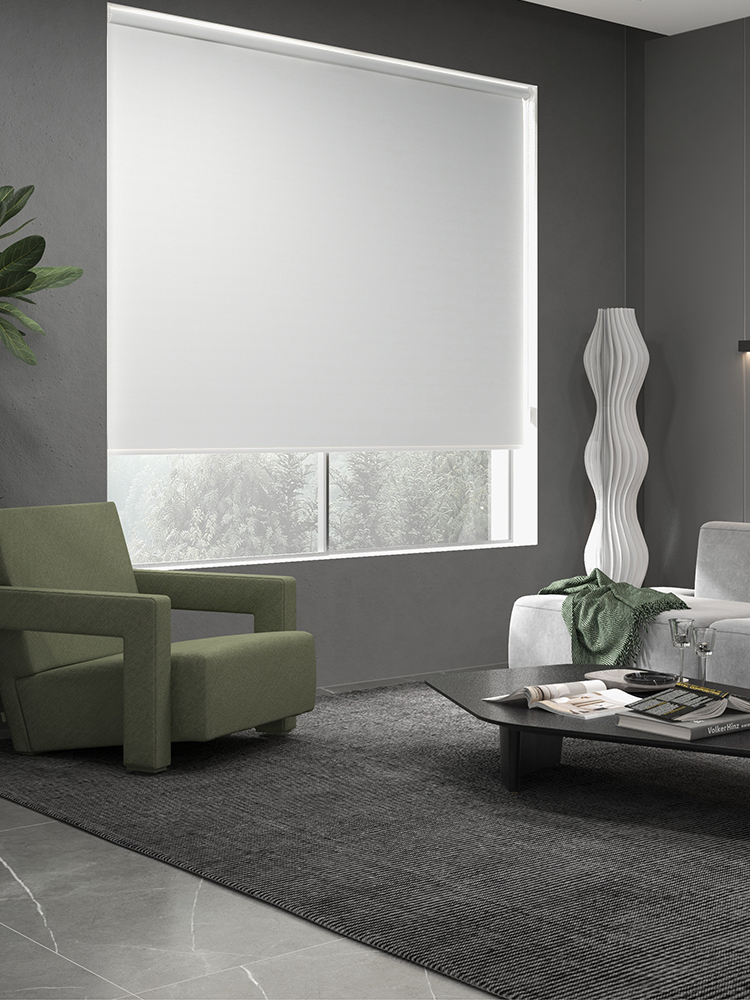
Blackout describes the strongest light-control category. A blackout material is designed to restrict incoming light more aggressively than light-filtering or room-darkening materials. This can be useful when the room needs deeper darkness for sleep, screen viewing, or strong afternoon sun.
Blackout performance is not only about fabric or shade material. Light can still appear around the sides, top, bottom, or center overlap depending on window shape, mount choice, hardware, and installation. An outside mount may cover more surrounding area than an inside mount. Side channels, layered curtains, or wider coverage may improve the result in rooms where darkness matters most.
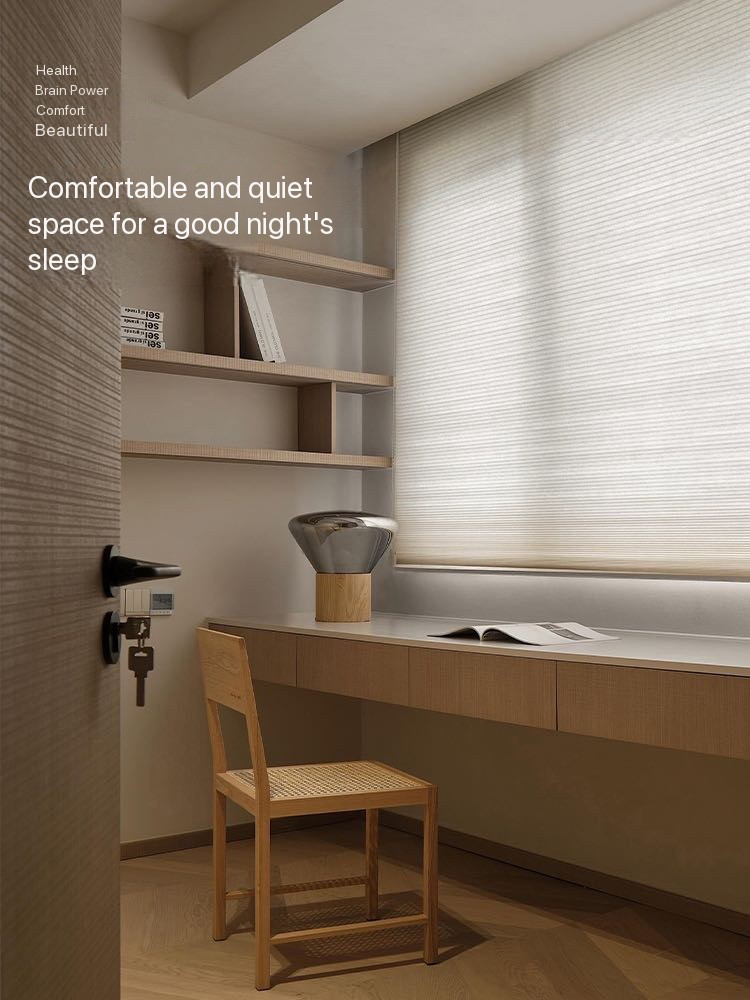
Luxvelum's roller shades and honeycomb cellular shades include blackout options. For example, the LuxVelum Classic Blackout Roller Shades and LuxVelum Custom Blackout Honeycomb Cellular Shades are positioned for stronger light control. Check each product's size, mount, and installation guidance before deciding.
What room-darkening means
Room-darkening means the treatment helps reduce incoming light and create a noticeably darker room, but it is a separate category from blackout. Room-darkening is useful when you want comfort, privacy, and reduced brightness without needing the strongest possible light control.
This category often works well in bedrooms that do not require very deep darkness, living rooms that need softened afternoon sun, dining rooms, and studies. It can also be a good choice when fabric texture and decorative impact matter as much as light reduction.
Custom curtains are common room-darkening options because heavier fabric can soften the room visually while helping reduce light. The Bali Botanica Black Yarn-Dyed Jacquard Custom Curtain is described as a room-darkening jacquard curtain with substantial drape. That makes it a strong decorative option for rooms where you want light reduction and texture, but it should not be described as a blackout curtain unless the exact configuration supports that claim.
What light-filtering means
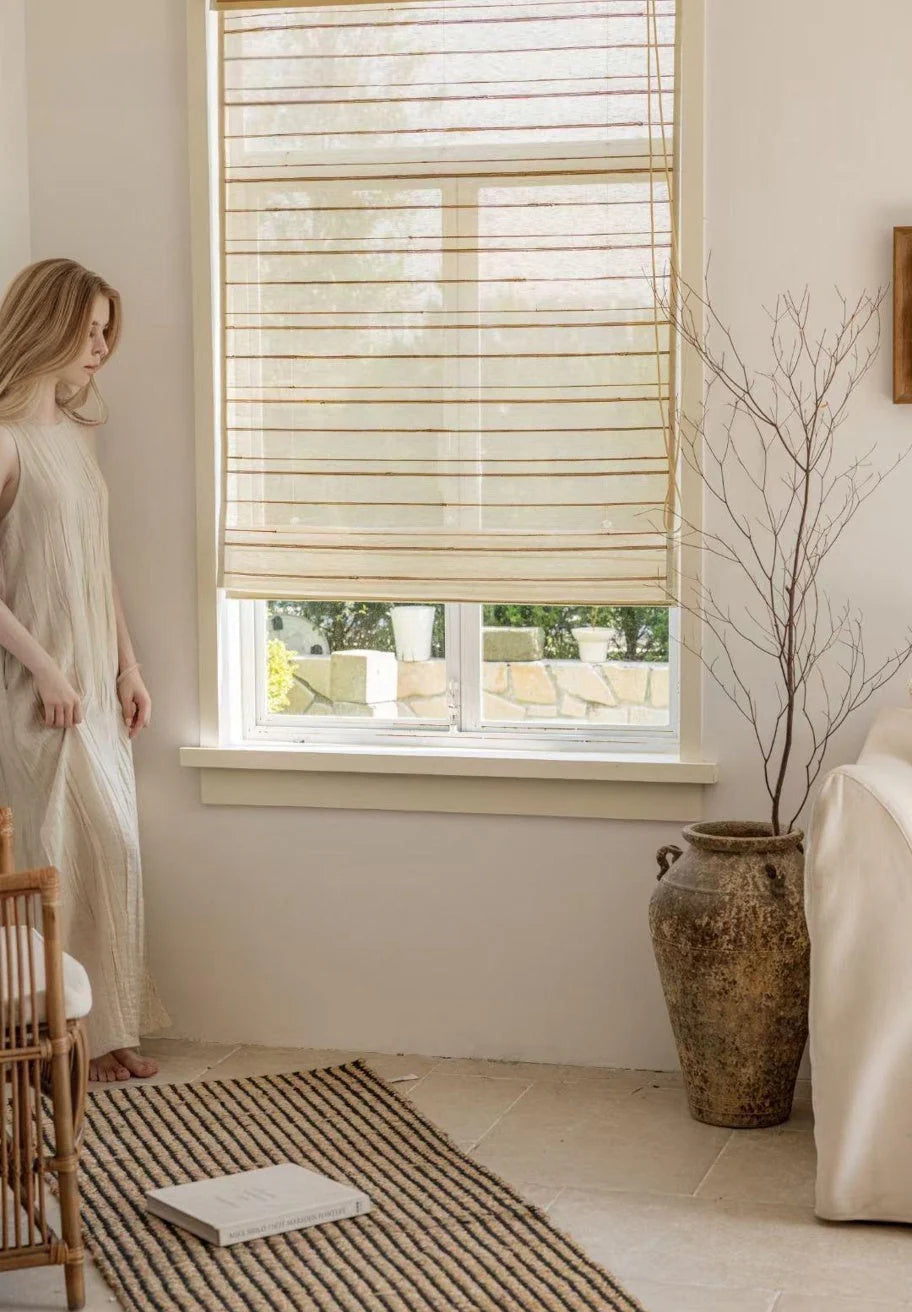
Light-filtering treatments allow daylight into the room while diffusing it. They are useful when bare glass feels too harsh, when direct sun creates glare, or when the room needs a softer daytime atmosphere. Light-filtering is about comfort and diffusion more than deep darkness.
Light-filtering materials can be especially useful in living rooms, kitchens, home offices, breakfast areas, and rooms where you want daylight without the hard contrast of uncovered glass. Roman shades, some roller shades, sheer curtains, and certain cellular shades can all be light-filtering depending on their materials.
Privacy needs special attention. A light-filtering material may give a sense of screening during the day, but privacy can change when interior lights are on at night. If nighttime privacy matters, pair a light-filtering layer with a more opaque layer or choose a stronger privacy material.
Where sheer fits in
Sheer is more transparent than most light-filtering materials. A sheer curtain is meant to look airy and preserve brightness. It can soften the view and add a finished layer to the window, but it is not the right standalone choice when strong privacy or darkening is required.
Sheers can still be useful. They work well as a daytime layer in living rooms, bedrooms, and dining rooms when paired with a heavier curtain, shade, or blind. This gives the room two modes: open and bright during the day, more private in the evening. For a closer look at how lighting changes privacy and when to add a second layer, read our guide to sheer curtains.
Choose by room
Bedroom
Start with your sleep needs. If early morning light, streetlights, or shift-work sleep are major issues, begin with blackout options and plan the mount carefully. If you mainly want a calmer room with reduced brightness, room-darkening curtains or shades may be enough. For decorative bedrooms, curtains can add softness while a shade handles closer-to-glass coverage.
Nursery or child's room
Light control can help create a consistent rest environment, but safety and operation matter too. Choose products and controls appropriate for the room and follow the product's installation instructions. A blackout shade or a room-darkening curtain may be useful, depending on how much daylight reduction is needed.
Living room
Living rooms often benefit from light-filtering or room-darkening choices instead of the strongest light-control category. The goal is usually comfort, glare reduction, and privacy without making the room feel closed off during the day. Roman shades, light-filtering roller shades, textured curtains, and layered sheers can all work depending on the room style.
Home office
For a home office, glare control usually matters more than deep darkness. A light-filtering shade can reduce harsh daylight while keeping the workspace bright. If the desk faces strong sun or a video-call background needs more privacy, consider a room-darkening material or adjustable blinds. The best choice depends on screen position, window direction, and daily work hours.
Media room
Media rooms usually benefit from stronger light control, especially if the window faces direct sun. Blackout roller shades or cellular shades can be practical because they sit closer to the window. Curtains can add another layer of coverage and soften the room acoustically in a decorative sense, but sound performance should not be assumed unless a product specifically supports that claim.
Choose by window and mount
The same material can perform differently on two windows. A shallow window frame, uneven trim, wide sill, crank handle, or arched shape can affect light gaps and operation. Inside mounts look clean and integrated, but outside mounts may cover more surrounding area. For a focused comparison of clearance, coverage, and appearance, see our inside mount vs. outside mount guide. Curtains mounted wider and higher than the window can help reduce edge light and make the window feel larger.
Measure after you decide which treatment type you want. A roller shade, cellular shade, Roman shade, blind, and curtain panel may each use different measuring rules. Do not reuse measurements across categories without checking the exact product instructions.
How fabric color affects light control
Color can influence how a room feels, but it does not define the light-control category by itself. A dark sheer can still be translucent. A pale blackout material can still be designed for strong light reduction. Texture, backing, weave, lining, opacity, and mount all matter.
For curtains, lining and fabric density can change performance significantly. For shades, the material construction is central. For blinds, slat closure, slat material, and fit influence how much light comes through. Always evaluate the product specification, not only the photo or color name.
When to layer treatments
Layering is useful when one treatment cannot satisfy every need. A sheer curtain can provide soft daylight, while a room-darkening curtain adds evening privacy. A blackout shade can manage sleep needs, while curtains add decorative height and softness. A light-filtering shade can reduce daytime glare, while side panels make the window feel finished.
The best layered plan gives each layer a job. Avoid adding layers that make operation awkward or block handles, vents, radiators, shelves, or furniture. Confirm the wall depth and hardware placement before ordering.
Common mistakes to avoid
- Using blackout, room-darkening, and light-filtering as synonyms: They describe different performance levels.
- Judging only by color: Dark color does not automatically mean stronger light control.
- Ignoring edge light: Mount and fit can matter as much as material in real rooms.
- Forgetting nighttime privacy: Light-filtering and sheer materials can behave differently after dark.
- Overlooking daily operation: A strong material is less useful if the treatment is hard to raise, lower, open, or clean.
- Assuming a category performs one way: Roller shades, cellular shades, Roman shades, blinds, and curtains all come in different materials and light-control levels.
Frequently asked questions
Is blackout always best for bedrooms?
Not always. Blackout is best when reducing light is the main priority. Some bedrooms only need room-darkening comfort, especially when the window is not exposed to strong sun or outdoor lighting.
Can room-darkening curtains replace blackout shades?
They can be enough for many rooms, but they serve a different purpose. Room-darkening curtains reduce brightness and add softness. Blackout shades are designed for stronger light control. If deep darkness is important, compare the exact product specifications and mount options.
Do light-filtering shades provide privacy?
They can provide some screening, but privacy depends on material density and lighting. A room that feels private during the day may be more visible from outside at night when indoor lights are on.
Which is better: blackout roller shades or blackout cellular shades?
Both can be good choices. Roller shades have a clean, flat profile. Cellular shades add a pleated structure and a softer look. The better choice depends on the room, desired appearance, window dimensions, and product options.
The practical decision path
Choose blackout if the room needs the strongest light reduction. Choose room-darkening if you want a darker, calmer room with more decorative flexibility. Choose light-filtering if you want daylight to stay present but softer. Then confirm the exact product, material, mount, and measurement requirements before ordering.
To compare current Luxvelum options, start with roller shades, honeycomb cellular shades, and custom curtains. Each category can solve a different light-control problem when matched to the right room.