Roller Shades: A Complete Buyer's Guide
Roller shades are streamlined window coverings made from a continuous panel that raises by rolling around a tube. The right choice depends less on the silhouette—which is intentionally simple—and more on fabric openness, light-control category, privacy, mount, operating method, room conditions, and the look you want at the window.
Quick answer: how should you choose roller shades?
Start with the room's main job. Decide whether you want softened daylight, stronger dimming, or blackout performance; then evaluate privacy in both daylight and after dark. Confirm whether an inside or outside mount suits the opening, review the operating options offered for the exact product, and order only after following its current measuring instructions. The LuxVelum roller shades collection is a practical place to compare current fabric directions without assuming that every roller shade performs the same way.
What makes a roller shade different?
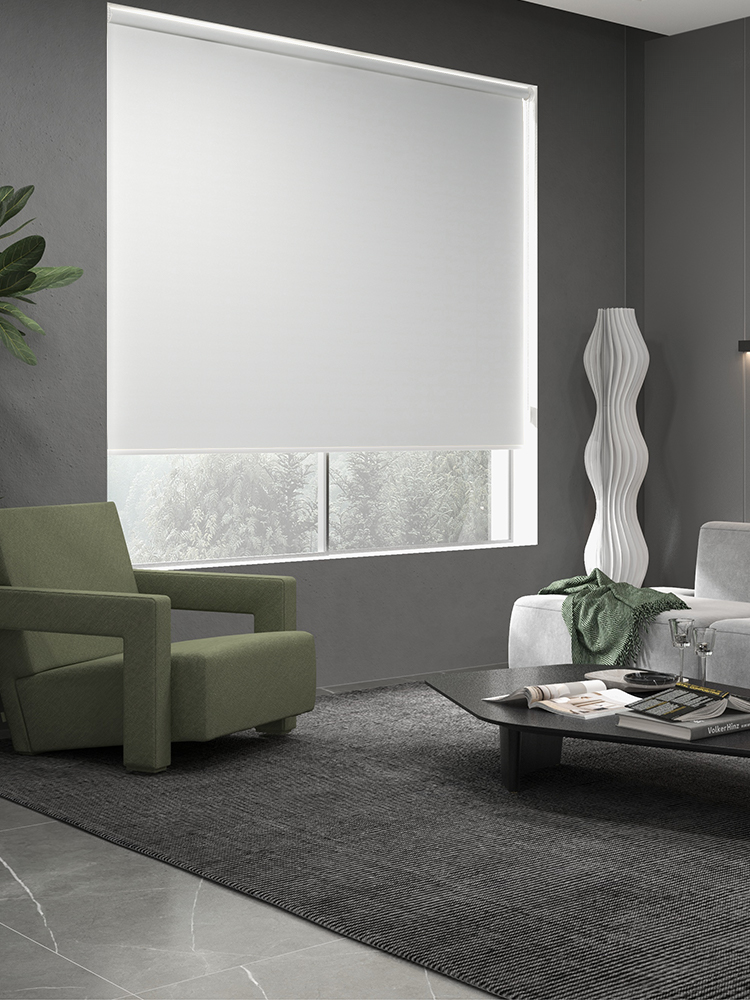
A continuous surface creates a quiet visual line
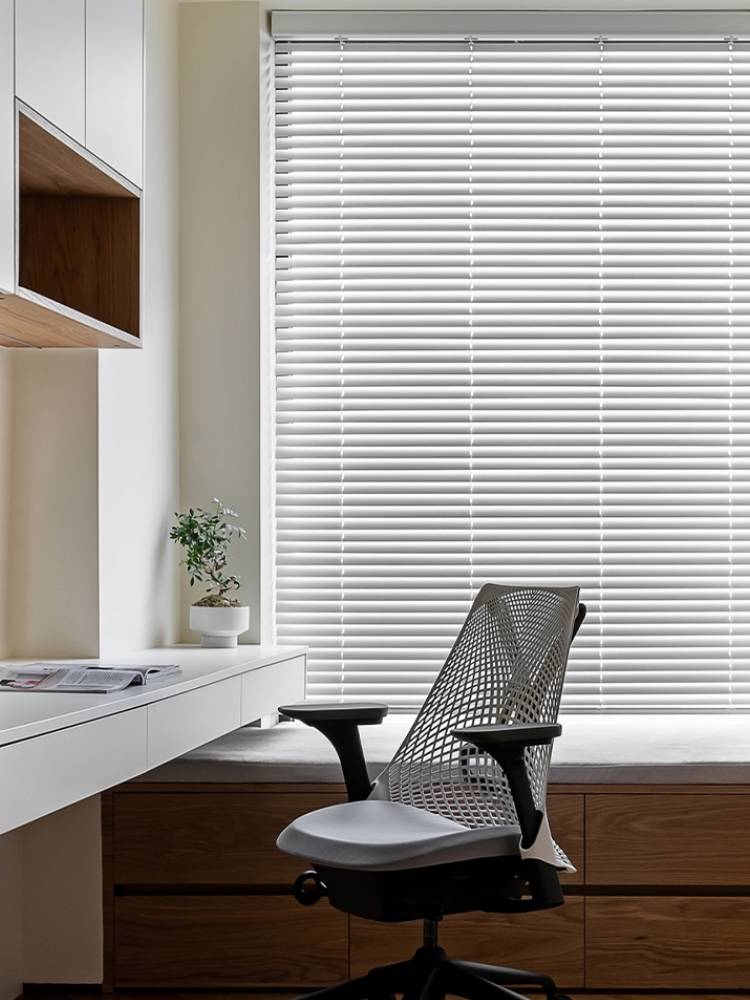
Unlike a blind, which uses separate slats, a roller shade presents one connected surface when lowered. That makes it visually calm and easy to coordinate with modern, transitional, or pared-back rooms. If you are still deciding between product families, read Blinds vs. Shades: Understanding the Key Differences before narrowing the choice.
The fabric does most of the functional work
Construction explains the shape, but the selected fabric determines how the shade handles daylight, views, and privacy. A light-filtering textile and a blackout textile can use the same roller format while producing very different results. Treat “roller shade” as the operating style, not as a promise of a specific level of darkness.
Choose the light-control category first
Light-filtering roller shades
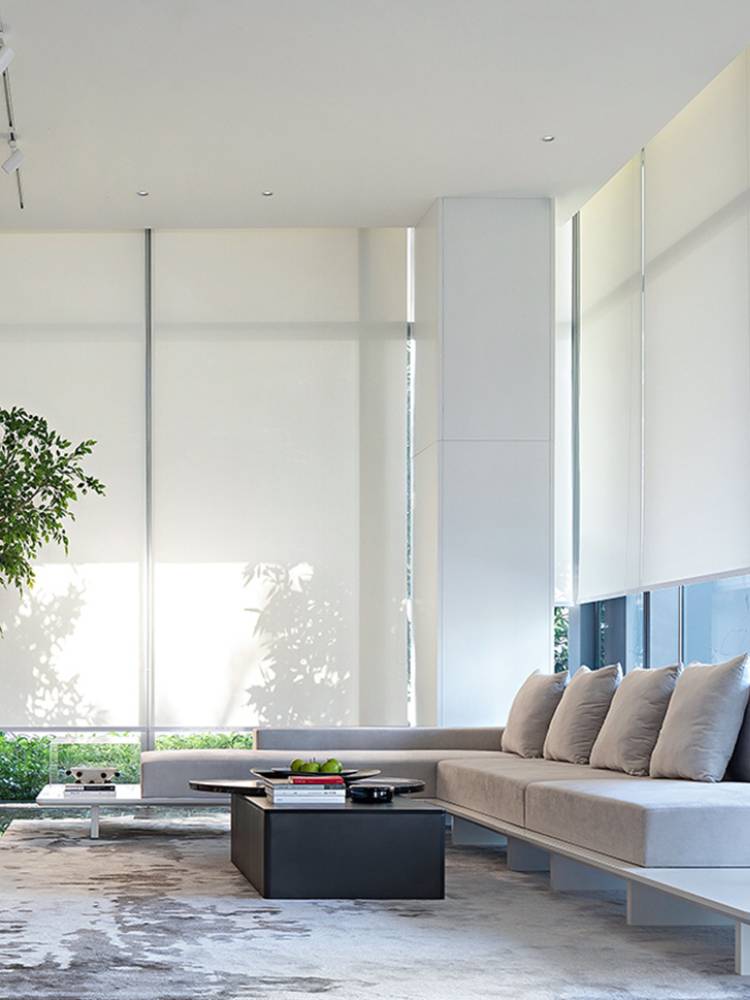
Light-filtering material softens incoming daylight while keeping the window covered. The effect can range from a gentle glow to more noticeable view-through, depending on the weave, color, and room lighting. LuxVelum's current Tech-Weave Roller Shades listing is the relevant catalog example for filtered daylight. Review the current Tech-Weave Roller Shades product page for its exact description, image, and available configuration rather than extending those details to other shades.
Room-darkening roller shades
Room-darkening material reduces more incoming light than a typical light-filtering option, but the term does not mean total darkness. Light can also appear around the perimeter, especially with an inside mount. Use room-darkening when you want a dimmer atmosphere but do not need a blackout product.
Blackout roller shades
Blackout describes an opaque fabric designed to block light through the material. It does not guarantee a completely dark room because edge gaps, mount choice, and the window itself still affect the result. LuxVelum's current Classic Blackout Roller Shades product page is the catalog-specific blackout option in this guide. For a fuller explanation of terminology, see Blackout vs. Room-Darkening vs. Light-Filtering Window Treatments.
Sheer and open-weave effects
A sheer or relatively open weave may preserve a stronger sense of daylight and an outward view, but privacy can change as light conditions reverse. Do not use “sheer” as a synonym for every light-filtering roller shade. Check the specific fabric description and, when possible, assess a sample in both daytime and nighttime conditions.
Evaluate privacy in real room conditions
Daylight privacy is only half the test
During the day, a brighter exterior can make a filtering shade appear more private from indoors. After dark, interior lighting can change what is visible from outside. Bedrooms, street-facing rooms, and bathrooms usually need a more conservative privacy choice than a window facing a secluded view.
Color and weave affect perception
Lighter materials can keep a room feeling bright, while darker colors can emphasize contrast and the window opening. Neither color alone proves privacy or light performance. Compare the exact swatch, weave, and product category instead of relying on a color name.
Match the mount to the window and your goal
Inside mount for an integrated look
An inside-mounted roller shade sits within the opening and leaves more of the surrounding trim visible. It can look tailored, but it requires a suitable opening and careful measurements. Small perimeter gaps are normal with many roller systems, so an inside mount may not be the strongest choice when maximum room darkening is the priority.
Outside mount for broader coverage
An outside-mounted shade covers the opening from the wall or trim. The added overlap can reduce visible edge light and can help when the opening is not suitable for an inside mount. It also changes how much trim is covered and how the shade relates to nearby furniture or hardware. Use the detailed inside-mount versus outside-mount guide to compare the tradeoffs.
Review operation and everyday use
Confirm the control offered on the exact listing
Roller shades may be offered with different control systems, and availability can change by product or configuration. Focus on how often the window will be adjusted, whether the control will be easy to reach, and how the mechanism will fit beside the frame. Confirm the current options on the product page before ordering.
Think about furniture and traffic paths
A shade that is simple to reach in an empty room may become awkward behind a desk, sofa, or deep counter. Note how people move through the room and whether the window is used for ventilation. These practical details often matter more than a small difference in appearance.
Coordinate material, color, and room style
Use texture to control visual presence
A smooth, quiet surface tends to recede, while a visible weave can add texture even in a neutral color. Review product photography at full size and request a sample when available. A sample helps you judge color beside the wall, flooring, and upholstery under the room's own lighting.
Decide whether the shade should blend or frame the view
A close wall-color match can make the treatment feel architectural. A contrasting shade can define the window more clearly. If several windows share one sightline, consistent fabric and roll direction usually create a calmer result than mixing unrelated finishes.
Measure and specify with the product instructions
Choose the mount before recording dimensions
Inside- and outside-mount orders use different reference points, so do not measure first and decide later. Check the exact product's mounting requirements, note anything that could obstruct the shade, and use a rigid measuring tool. The broader custom window-treatment measuring guide explains the planning sequence.
Check more than one point
Openings are not always perfectly uniform. Follow the product instructions for where and how to record dimensions, and do not round or make your own deductions unless the seller explicitly tells you to do so. Keep the finished notes labeled by room and window to avoid switching orders.
Common roller-shade buying mistakes
Assuming every roller shade is blackout
The roller format does not define light performance. Verify whether the selected fabric is sheer, light-filtering, room-darkening, or blackout, and keep those terms distinct.
Judging privacy only during the day
A daylight view can hide how a fabric behaves when the room is illuminated at night. Assess both conditions for any space where privacy matters.
Choosing a mount only for appearance
Mounting affects trim visibility, edge light, projection, and measuring. Balance the look with the functional goal and the opening's constraints.
Generalizing one product's features
A feature listed for one LuxVelum roller shade does not automatically apply to the whole shades and blinds collection. Read the exact listing selected for the order and confirm any unclear detail before purchase.
Skipping the sample and final specification check
Screen color and room lighting can differ. When samples are available, review them in the intended space, then confirm fabric, color, mount, control, and dimensions together before submitting the order.
Roller shade FAQs
Are roller shades the same as blinds?
No. A roller shade uses a continuous panel that rolls around a tube, while a blind uses separate slats that can usually be tilted. Their light adjustment, cleaning, and visual character differ.
Do roller shades provide complete privacy?
Privacy depends on the exact fabric, color, weave, and lighting conditions. An opaque option generally offers more privacy than an open weave, but the material and edge conditions should be evaluated for the specific room.
Are all blackout roller shades completely dark at the window?
No. Blackout fabric blocks light through the material, but light may remain around the edges. Mount and coverage are part of the result.
Can roller shades be used throughout a home?
They can suit many rooms, but one fabric is rarely ideal everywhere. Match each window to its daylight, privacy, view, cleaning, and operating needs.
What should I decide before ordering?
Confirm the light-control category, privacy goal, mount, exact fabric and color, operating option, and product-specific measuring instructions. A final review of those choices is more reliable than shopping by appearance alone.
A practical final checklist
Define the room's primary need, compare the exact fabric categories, test privacy assumptions, choose the mount, review the operating method, inspect a sample when possible, and follow the listing's measuring guidance. That sequence turns a simple-looking roller shade into a well-matched part of the room rather than a generic covering.