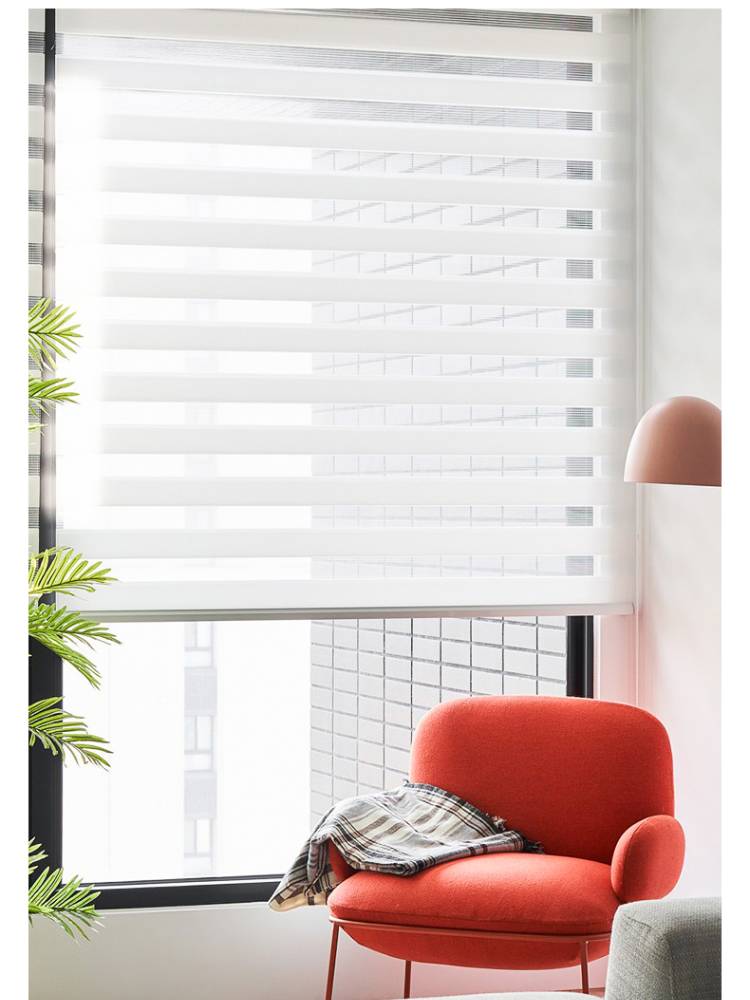
Can Window Treatments Improve Insulation and Indoor Comfort?
Direct answer: Yes, window treatments can improve indoor comfort by adding a movable layer at the window and by helping you manage sunlight. The result depends on the exact treatment, fit, window condition, climate, season, and daily use. Cellular shades are especially relevant because their honeycomb cells hold air, while opaque roller shades can help control direct sun and light. Neither type repairs drafts, damaged seals, or poorly performing glass, and no treatment should be assigned a fixed energy or utility-bill result without product-specific testing.
The most useful approach is to identify the source of discomfort first. A room that overheats in afternoon sun needs a different operating plan from a room with cold glass, noticeable air leakage, or glare. Choose the treatment only after separating those conditions, then verify its material, mount, coverage, and controls.
How a window treatment can affect comfort
It creates a layer between the room and glass
A closed shade or curtain changes the space immediately beside the window. Some constructions hold still air within the treatment or between the treatment and the glass, which can add resistance to heat moving through that area. The U.S. Department of Energy's cellular-shade overview explains this principle for cellular shades. It does not establish the performance of every product or installation.
It helps manage direct solar gain
Sunlight can warm interior surfaces and make one part of a room feel hotter than another. Lowering an appropriate treatment before strong sun reaches the glass can reduce direct exposure and glare. The useful schedule depends on window direction, nearby shade, season, weather, and whether daylight or passive warmth is desirable at that time.
It changes visual comfort too
Comfort is not only temperature. Strong contrast around a screen, reflected glare, exposed nighttime sightlines, and an overly dark room can all make a space less pleasant. The best treatment balances thermal goals with daylight, privacy, view, and normal use.
Start with the window, not the product label
Check for drafts and window defects
Move your hand around the closed sash and frame on a windy or cold day without touching electrical or mechanical parts. Look for damaged seals, gaps, condensation patterns, or hardware that prevents full closure. A window treatment can supplement a sound window, but it does not seal an opening or correct a building-envelope problem. Persistent moisture, deterioration, or strong air leakage deserves separate attention.
Track when the room becomes uncomfortable
Note the time, weather, and location of the discomfort. Afternoon overheating on a west-facing window points toward timely solar control. A cold sensation near the glass on winter nights points toward coverage and insulation at the window. A room that is uncomfortable everywhere may have a cause beyond the window treatment.
Decide what must remain available
List the functions you still need: a daytime view, natural light, nighttime privacy, ventilation, access to a handle, or quick glare adjustment. A treatment that improves one condition only when permanently closed may not be practical for a room used throughout the day.
Why cellular shades are a focused insulation option
Honeycomb cells hold air within the shade
Cellular shades use pleated fabric layers that form horizontal pockets. When the shade is lowered, those pockets hold air and create the characteristic honeycomb profile. This construction differs from a flat roller panel, a Roman shade, and a blind with tilting slats. The LuxVelum Honeycomb Cellular Shades collection is the most directly relevant current collection for this structure.
Fit and operation still shape the outcome
An insulating construction cannot compensate for every gap around the treatment. The window dimensions, mount, headrail, side clearances, sill, installation, and how fully the shade is lowered all influence the layer created at the glass. Review the cellular shades guide for a closer look at air cells, fabric choices, privacy, and fit.
Light control is a separate specification
The cell shape does not tell you whether the fabric is blackout or light-filtering. The current LuxVelum cellular listing presents more than one light-control direction, so confirm the chosen option before ordering. Blackout, room-darkening, light-filtering, and sheer are distinct descriptions; use the light-control terminology guide when comparing them.
Where blackout roller shades fit the comfort discussion
An opaque panel can help manage strong sun
A blackout roller shade uses a continuous opaque material that can be lowered when direct sun or intense brightness is the problem. This can support visual comfort and solar control, but the roller format does not create honeycomb air cells. Do not describe every roller shade as insulating, blackout, or energy efficient; verify the exact listing.
Use only the current product's documented facts
The current LuxVelum Classic Blackout Roller Shades - Thermal Insulated listing identifies a dual-coated polyester blackout fabric and presents the product as thermally insulated. Those statements belong to this model. They do not prove a fixed room-temperature change, a utility-bill reduction, or identical performance at every window.
Coverage matters as much as opacity
Blackout describes the material, not a promise that the installed room will be completely dark. Light and solar exposure can remain around the sides, above the tube, or below the shade. Compare inside and outside mounting in the mounting guide, then follow the current product instructions.
Use window treatments differently by season
Warm-weather use often emphasizes solar control
When unwanted sun is heating a room, closing the treatment before the strongest exposure can be more useful than reacting after interior surfaces are already warm. Keep safe ventilation, view, and daylight needs in mind. A treatment on one window may need a different schedule from another window in the same room.
Cool-weather use may preserve useful sunlight
On a sunny cool day, opening a treatment can admit daylight and solar warmth when that is desirable. Closing it later can restore the additional layer at the window and privacy after dark. This is a use pattern, not a guarantee; exterior temperature, cloud cover, glazing, drafts, and treatment design all matter.
Daily operation is part of performance
A treatment cannot provide its intended closed-position effect while it remains open. Choose controls that are practical for the room and locate them where furniture does not block access. If several windows require frequent adjustment, consider how realistically the household will follow the planned schedule.
Choose mount, fit, and coverage deliberately
Inside mount keeps the treatment in the recess
An inside mount can create a clean, integrated appearance, but it depends on adequate depth, clear mounting surfaces, and room for the exact hardware. The system may require operating clearance, leaving visible perimeter space. Do not assume a recessed installation automatically gives the broadest coverage.
Outside mount can extend beyond the opening
An outside mount can cover more of the area around the glass when suitable mounting surfaces are available. It also changes trim visibility, projection, wall coverage, and how the treatment meets nearby furniture or switches. Choose the mount before measuring.
Measure each opening for the exact treatment
Windows that appear identical can differ. Label every opening, record obstructions, and keep raw measurements separate from order dimensions. Use the exact product's current directions after following the planning sequence in the custom window-treatment measuring guide.
A practical comfort-first selection process
- Name the discomfort. Separate direct sun, glare, cold glass, air leakage, privacy, and general room-temperature problems.
- Observe the timing. Record when the problem appears and which windows receive the relevant exposure.
- Address window defects separately. Do not ask a shade to repair gaps, damaged seals, condensation problems, or hardware faults.
- Choose the treatment principle. Consider honeycomb air cells for an added insulating layer or an opaque roller panel for strong light and solar control.
- Verify the exact product. Confirm material, light category, controls, mount options, image, and current wording.
- Plan coverage and access. Account for trim, depth, handles, furniture, side clearances, and routine operation.
- Measure and review. Follow the product instructions and check the full specification before ordering.
Common mistakes to avoid
- Expecting a treatment to stop drafts: a shade or curtain is not a substitute for repairing air leakage or damaged window components.
- Turning a product name into a savings promise: thermal or insulated wording does not establish a specific bill reduction for a home.
- Calling every cellular shade blackout: honeycomb construction and fabric opacity are separate choices.
- Calling every roller shade insulating: verify the exact material and product description rather than generalizing from one model.
- Ignoring seasonal operation: the most comfortable position can change with sunlight, outdoor conditions, and room use.
- Measuring before choosing the mount: inside and outside mounting use different reference areas and coverage plans.
Frequently asked questions
Do window treatments actually insulate a room?
They can add a movable layer at the window, and cellular shades can hold air within their honeycomb cells. The degree of benefit depends on the exact product, fit, window, climate, installation, and operation. Treat insulation as a supported principle, not a guaranteed outcome.
Are cellular shades the best option for insulation?
Cellular shades are a focused option because their enclosed cells are designed to hold air. Whether a particular shade is the best choice also depends on light control, privacy, mount, dimensions, controls, and verified product information.
Do blackout shades keep a room cooler?
An opaque shade can help manage direct solar exposure when it is closed at the useful time. The result varies with window direction, glass, exterior shading, fit, weather, and operation. Blackout refers to light through the material and does not by itself establish a temperature result.
Should shades stay closed all day?
Not necessarily. Close them when unwanted sun, glare, privacy, or the added layer at the window is the priority. Open them when useful daylight, view, ventilation, or solar warmth is preferred. The schedule should follow the room and season.
Can a window treatment fix a drafty window?
No. A treatment may change comfort near the glass, but it does not repair air leaks, seals, latches, frames, or glazing. Address those conditions separately and use the treatment as a complementary interior layer.
Final takeaway
Window treatments can support indoor comfort when the construction, fit, and daily use match the real problem. Start with the window and timing, separate insulation from light-control claims, and keep every product statement specific. Compare the current cellular shades and roller shades, then choose the mount, measure carefully, and avoid promising a fixed energy result.