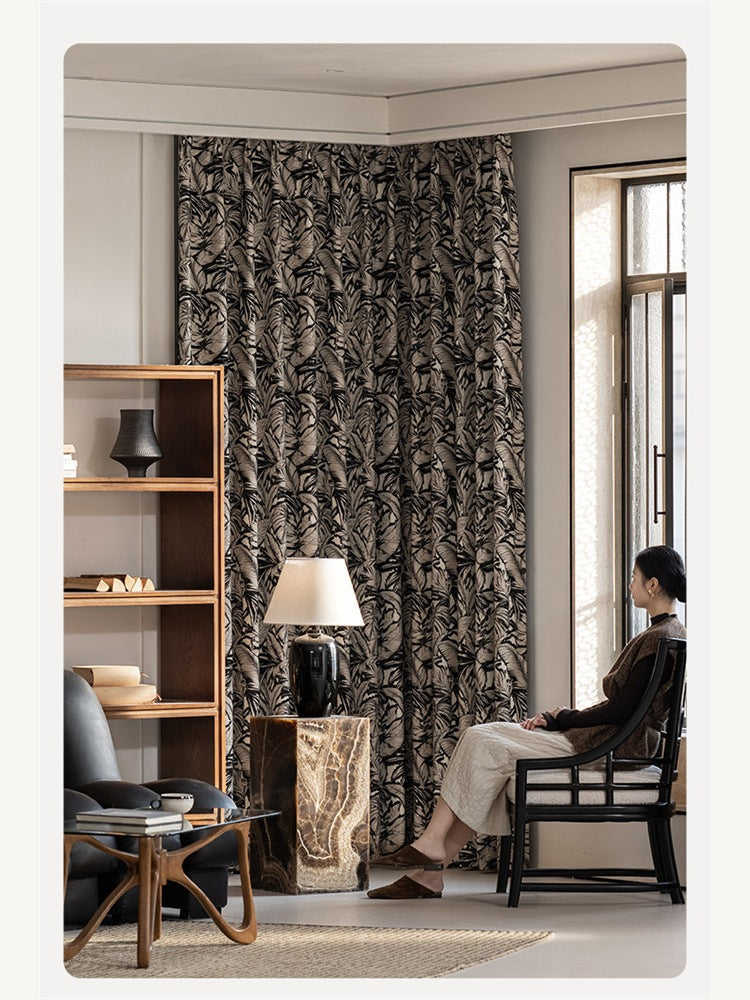
How to Choose Window Treatments for Every Room
Direct answer: Choose window treatments room by room, beginning with the job each window must do. Bedrooms usually put privacy and stronger light control first; living and dining rooms often balance daylight, view, and style; kitchens and bathrooms need practical materials and easy upkeep; and home offices benefit from adjustable glare control. After defining the function, compare curtains, shades, and blinds, then confirm the mounting plan and measurements for that specific window.
A whole-home plan does not require the same treatment everywhere. Repeat color, finish, or visual weight while letting each room solve a different problem. Luxvelum offers both custom curtains and shades and blinds for a coordinated mix.
Start With Five Questions for Every Room
Before choosing a fabric, slat, or shade style, write down what the window needs to accomplish. These five questions keep the decision grounded in daily use.
1. How much light control do you need?
Decide whether you want to preserve daylight, soften glare, darken the room, or create the strongest available light block. These are different goals. A sheer or light-filtering treatment lets daylight remain part of the room. A room-darkening curtain reduces incoming light but should not be treated as a guarantee of complete darkness. A blackout product is designed for more substantial light control, although mounting choices and light around the edges can still affect the finished room.
If those labels are easy to confuse, review the guide to blackout, room-darkening, and light-filtering window treatments before comparing products.
2. When is privacy most important?
Think about privacy in daytime and after dark. A bright room can make a light fabric appear more open from outside at night, while a closed blind or a denser treatment may provide stronger visual separation. Street-facing windows, bedrooms, bathrooms, and ground-floor rooms often need a more deliberate privacy plan than an upper-floor living area.
3. How often will you adjust the treatment?
A window used several times a day should have a control method that feels straightforward in that location. Tilting blind slats can fine-tune light without fully opening the window. A roller or Roman shade keeps a compact profile. Curtains can frame a view when open and bring broad visual softness when closed. Compare those basic formats in Curtains vs. Shades vs. Blinds.
4. What does the room demand from the material?
Consider moisture, cooking residue, dust, pets, furniture placement, and how easily the surface can be maintained. A treatment that works beautifully in a formal dining room may be less practical beside a kitchen sink. Product care instructions and material descriptions should guide the final choice; do not assume every curtain, shade, or blind is suitable for every environment.
5. What should stay visually consistent?
Choose one or two elements to repeat throughout the home: a warm or cool neutral palette, similar hardware finishes, a consistent headrail color, or related fabric tones. The treatment type can change by room while these repeated details create continuity from one space to the next.
Living Room: Balance Daylight, View, and Style
Living rooms usually need flexibility rather than one extreme. Start with how the room is used throughout the day. If preserving an open, bright feeling matters, a light-filtering curtain or Roman shade can soften daylight without turning the room into a dark space. If the television or seating area receives uncomfortable glare, an adjustable blind or shade can offer more control at particular times. For a room-specific selection process, use the guide to choosing living room window treatments.
Curtains add color, texture, and visual height, especially when the room needs a softer finish. Shades and blinds use less visual space around the opening and can suit a cleaner architectural look. Layering can combine roles: a light-filtering inner treatment can manage daylight, while a denser outer curtain adds evening privacy and decorative weight. Treat each layer according to its actual performance rather than calling the entire combination “blackout” unless the chosen products and installation support that description.
Bedroom: Put Privacy and Light Control First
For a bedroom, define the desired sleep environment before selecting a style. A person who prefers a darker room may want a blackout shade, a blackout curtain, or a carefully planned combination. Someone who enjoys morning light may prefer room-darkening curtains that reduce light without creating the same effect as a blackout treatment. For a bedroom-specific comparison across curtains, roller shades, and cellular shades, use the guide to best window treatments for bedrooms.
Installation matters as much as the label. Light can enter around the sides, above the headrail, or below the treatment. An outside mount may increase coverage in some situations, while an inside mount preserves more of the surrounding trim. Review inside mount vs. outside mount before finalizing the plan.
Also consider how the window relates to the bed, dresser, radiator, or other nearby features. The treatment should operate freely without being crowded by furniture. For curtains, choose the final dimensions and fullness for the specific window rather than borrowing measurements from another room.
Kitchen: Favor Practical Surfaces and Clear Operation
Kitchens introduce moisture, splashes, and cooking residue, so upkeep deserves extra weight. A compact shade or blind can keep fabric away from a work surface, while adjustable slats can manage daylight without opening the window completely. If a product will be used in a humid or high-traffic area, verify that the current product description specifically supports that use.
For example, Luxvelum's Custom Faux Wood Venetian Blinds are currently described as moisture-resistant and wipe-clean, making those documented properties relevant to kitchen or bathroom consideration. That does not make every wood-look blind interchangeable; confirm the material and care details of the exact product you plan to order. For a focused exposure and upkeep checklist, read the guide to window treatments for kitchens and humid spaces.
Dining Room: Let Atmosphere Share Priority With Function
A dining room often benefits from a treatment with presence. Custom curtains can introduce texture and a more formal frame around the window, while Roman shades offer a softer fabric look in a compact form. If afternoon sun reaches the table, consider a treatment that can be adjusted before a meal without removing all natural light.
Coordinate the treatment with the room's existing materials instead of matching every color literally. A related neutral or a restrained pattern can connect wood, upholstery, and wall color while still giving the window its own identity.
Home Office: Make Glare Control Easy to Adjust
In a home office, the best treatment supports the desk position and the direction of incoming light. Adjustable blinds can redirect light through the day, while roller shades offer a simple way to reduce a bright view behind or beside a screen. A light-filtering option may preserve a pleasant daytime atmosphere; a blackout treatment may be more than the room needs unless it also serves presentations, photography, or another dark-room use.
Test the likely sun path from the seated position, not only while standing in the room. A window that appears comfortable in the morning may create screen glare later. The goal is not automatically the darkest product; it is useful control when the room is occupied. For a focused comparison, see the guide to the best window treatments for a home office.
Bathroom: Verify Privacy, Moisture Suitability, and Fit
Bathroom windows call for strong privacy and careful material selection. Look for a product whose current description addresses moisture resistance when that condition is relevant, and follow its care instructions. Avoid assuming that all natural materials, faux materials, coatings, and fabrics respond to humidity in the same way.
Fit is especially important on a small or street-facing bathroom window. Check the view from the angles that matter, decide whether an inside or outside mount provides the desired coverage, and confirm that handles or trim will not interfere with operation.
A Simple Whole-Home Selection Process
- List the room's primary need. Choose one first priority: daylight, glare control, privacy, stronger darkening, easy care, or decorative impact.
- Choose the treatment family. Decide whether curtains, shades, blinds, or a layered combination best serves that priority.
- Verify the exact product. Read the current material, light-control, care, and installation details. Do not transfer one product's attributes to an entire category.
- Select the mount. Confirm whether an inside or outside mount works with the opening, trim, depth, and desired coverage.
- Measure each window. Use the instructions for the exact treatment and record each opening separately. The window-measuring guide explains the planning sequence.
- Coordinate the home. Repeat selected colors or finishes, but let room function determine the treatment type.
Common Mistakes to Avoid
- Choosing by appearance alone. A beautiful treatment can still frustrate you if it does not provide the needed privacy, light control, or maintenance level.
- Treating room-darkening and blackout as synonyms. Room-darkening reduces light; blackout is a separate performance category. Installation can influence the result of either.
- Assuming sheer means private in every condition. Sheer and light-filtering materials preserve daylight, but their privacy effect can change with lighting and viewing conditions.
- Using one product claim for a whole category. Moisture resistance, material composition, and care requirements belong to the specific product that states them.
- Ordering every window from one measurement. Openings that look identical can differ. Record each window and follow the product-specific measuring method.
- Forcing the same treatment into every room. Visual continuity can come from color and finish; function should still be chosen room by room.
Frequently Asked Questions
Should every room have the same window treatments?
No. A coordinated home can mix curtains, shades, and blinds. Repeat a limited palette, hardware finish, or visual tone, then choose the format that fits each room's light, privacy, and maintenance needs.
What is the most versatile treatment for a living room?
There is no single universal answer. A light-filtering shade or curtain works well when daylight is the priority, while adjustable blinds help when glare changes during the day. Layering can combine a soft appearance with more flexible privacy.
Are room-darkening curtains the same as blackout curtains?
No. Room-darkening curtains reduce incoming light but should not be described as guaranteeing complete darkness. Blackout products are designed for stronger light blocking, and the finished result can still depend on fit and installation.
What should I choose for a humid room?
Choose only after the exact product description confirms the relevant material or moisture-resistant property. Also consider cleaning access, window hardware, and ventilation. Do not assume a claim on one blind or shade applies to all products in that category.
When should I order custom rather than ready-made treatments?
Custom treatments are useful when the window dimensions, mounting conditions, coordinated design, or project requirements call for choices tailored to the opening. Ready-made options may suit simpler projects with compatible standard dimensions. The guide to custom vs. ready-made window treatments compares the planning tradeoffs.
Final Takeaway
The right whole-home plan begins with function, not a single favorite style. Define each room's light, privacy, operation, maintenance, and design priorities; verify claims on the exact product; and measure every opening carefully. Then use a consistent palette or finish to connect the rooms. This approach gives bedrooms, kitchens, living spaces, and work areas the treatment they actually need while keeping the home visually composed.